

Compare investment options in the US, including stocks, ETFs, bonds, CDs, and REITs. See their risks, returns, and key features to choose wisely in 2026.
Not sure which investment options in US can actually fit your financial goals? Choosing among stocks, ETFs, bonds, CDs, and real estate can feel confusing when every option carries different risks and returns. The right choice depends on your goals, timeline, budget, and comfort with risk. Knowing how different investment options in the US work can make the decision much easier. This article breaks down the main choices so you can compare them and choose an option that fits your financial needs.
Investment Options in US at a Glance
The US market offers choices for different financial goals, from stocks and ETFs focused on growth to bonds, CDs, and savings accounts aimed at stability. Real estate, REITs, and money market funds add more ways to spread money across different assets. Retirement accounts such as 401(k)s and IRAs can also hold several of these investments while offering tax advantages. The right option depends on your time horizon, risk tolerance, income needs, and how easily you may need access to your money.
search for also: Investment Risk Management
Stocks and Equities
Stocks are among the most common investment options in the US for people seeking long-term growth. Buying a stock means owning a small share of a company, so your returns can rise or fall with its performance and market conditions. Some companies also pay dividends, giving investors a potential income stream alongside price growth.
Individual stocks can offer strong growth potential, but they also carry higher risk than diversified investments. A company’s earnings, industry conditions, economic changes, and investor sentiment can all affect its share price. For this reason, stocks may suit investors who have a longer time horizon and can handle market ups and downs.
How to Start Investing in the US
Starting does not have to mean putting a large amount of money into the market at once. A few practical steps can help you choose an approach that fits your finances.
- Set a clear goal
Decide whether you are investing for retirement, a home, education, income, or long-term wealth. - Check your financial foundation
Keep enough cash for essential expenses and unexpected costs before committing money to investments. - Choose an account
A taxable brokerage account offers flexibility, while accounts such as a 401(k) or IRA may provide specific tax benefits. - Pick suitable investments
Compare risk, potential returns, fees, liquidity, and your expected holding period. - Diversify your money
Consider spreading your investment across different assets instead of relying heavily on one company or market. - Review your portfolio
Check your investments periodically and adjust them when your financial goals or circumstances change.
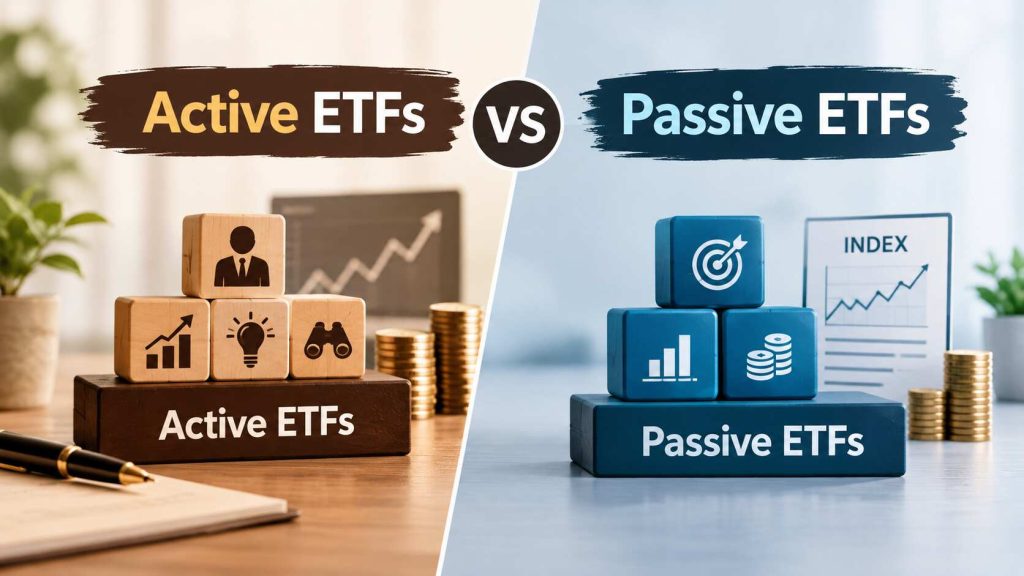
ETFs and Index Funds
Instead of putting all your money into one company, ETFs and index funds spread it across multiple investments. Many follow a market index, such as the S&P 500, giving investors exposure to a wider section of the market.
Key differences:
- ETFs: Trade during market hours like individual stocks.
- Index funds: Usually priced once at the end of the trading day.
- Diversification: Both can hold many securities in one fund.
- Costs: Many broad-market options have relatively low fees.
These funds can be useful for investors who want diversification without selecting individual companies. However, their value can still fall when the underlying market declines.
Mutual Funds
Mutual funds pool money from many investors and use it to buy a mix of assets. These may include stocks, bonds, or a combination of both. The fund is managed according to a specific strategy, so investors do not have to select every security themselves.
What to consider before investing:
- Management: Some funds are actively managed, while others track an index.
- Diversification: One fund can hold dozens or even hundreds of securities.
- Fees: Expense ratios and other charges can reduce your overall returns.
- Trading: Mutual fund shares are generally bought or sold at the fund’s next calculated net asset value.
For investors comparing investment options in US, mutual funds can provide a convenient way to build a diversified portfolio. However, the fund’s strategy, costs, past performance, and risk level should be checked before investing.
Bonds and Treasuries
Unlike stocks, bonds let you lend money to a government or company rather than own part of it. The issuer pays interest based on the bond terms and returns the principal when the bond reaches maturity.
| Bond Type | Issued By | Main Feature |
| U.S. Treasuries | Federal government | Lower credit risk |
| Municipal bonds | States and local governments | May offer tax advantages |
| Corporate bonds | Companies | Higher income potential with more credit risk |
Bonds can play a useful role when an investor wants income or greater balance alongside stocks. Still, their prices can change when interest rates move, and corporate or municipal bonds can carry credit risk. That makes them one of the investment options in the US worth comparing based on your goals rather than choosing solely for safety.
Savings and CDs
If protecting cash is more important than chasing high market returns, savings accounts and CDs can be worth considering. They are generally easier to understand than market-based investments and can suit short-term goals.
High-yield savings accounts
These accounts typically pay more interest than standard savings accounts while allowing relatively easy access to your money. They can be useful for cash you may need soon.
Certificates of Deposit (CDs)
A CD keeps your money deposited for a fixed period in exchange for a stated interest rate. Taking the money out before maturity may result in a penalty, depending on the account terms.
When comparing these investment options in US, check the interest rate, withdrawal rules, term length, and applicable deposit insurance. Savings accounts offer more flexibility, while CDs may provide more predictable returns in exchange for less access to your cash.
Money Market Funds
Money market funds invest in short-term, relatively liquid debt securities. Their main appeal is keeping money accessible while aiming for modest returns and lower volatility than many stock investments.
Key points to check:
- Liquidity: Shares can generally be bought or sold on business days.
- Holdings: Funds may invest in Treasury bills, government securities, certificates of deposit, and other short-term debt.
- Risk: They are not the same as bank savings accounts and are not risk-free.
- Purpose: They can be useful for short-term cash needs or as a place to hold money between investments.
For people comparing investment options in US, money market funds can offer a middle ground between keeping cash idle and taking on greater market risk.
Real Estate and REITs
Real estate gives investors another way to put money into physical property or property-related businesses. Buying a rental home or commercial property can generate income, but it also requires significant capital and ongoing management.
REITs offer a different route. They allow investors to own shares in companies that own or finance income-producing properties, such as apartments, offices, warehouses, or shopping centers.
For many investors, REITs can provide:
- Exposure to real estate without purchasing a property
- Potential rental-based income through dividends
- Easier buying and selling than physical property
- Greater portfolio diversification
However, REIT prices can move with market conditions, interest rates, and property-sector performance. Direct real estate also comes with costs such as maintenance, taxes, insurance, and management. Both can therefore serve different roles among investment options in US.
Retirement and Education Accounts
Some investment options in US are held inside tax-advantaged accounts rather than bought as standalone investments. These accounts can help people save for specific long-term goals while offering different tax benefits.
| Account | Main Purpose | Key Benefit |
| 401(k) | Retirement | May include employer contributions and tax benefits |
| Traditional IRA | Retirement | Contributions may be tax-deductible, depending on eligibility |
| Roth IRA | Retirement | Qualified withdrawals can be tax-free |
| 529 Plan | Education | Designed for qualified education expenses |
The investments available inside these accounts can include stocks, bonds, ETFs, and mutual funds, depending on the plan. Choosing an account should therefore come after considering the goal, contribution rules, withdrawal conditions, and tax treatment.
Which Investment Fits Your Goals?
There is no single choice that works for every investor. Your decision should match why you are investing, when you will need the money, and how much market movement you can accept.
| Your Goal | Options to Consider |
| Long-term growth | Stocks, ETFs, index funds |
| Regular income | Bonds, dividend stocks, REITs |
| Lower-risk savings | CDs, Treasury securities, high-yield savings |
| Diversification | ETFs, mutual funds, REITs |
| Retirement | 401(k), Traditional IRA, Roth IRA |
| Education savings | 529 plans |
Risk vs. Return
Risk and return usually move together. Investments with greater growth potential can also experience larger losses, while lower-risk choices generally offer more modest returns. The key is finding a balance that matches your financial situation rather than chasing the highest possible gain.
| Investment | Risk | Return Potential | Liquidity |
| Stocks | High | High | High |
| ETFs | Moderate–High | Moderate–High | High |
| Mutual Funds | Moderate–High | Moderate–High | Moderate |
| Corporate Bonds | Moderate | Moderate | Moderate–High |
| Treasury Securities | Low | Low–Moderate | High |
| CDs | Low | Low–Moderate | Low |
| REITs | Moderate–High | Moderate–High | High |
Before choosing among investment options in the US, consider how much loss you could handle without affecting your essential expenses. A diversified mix may also help balance growth opportunities with greater stability.
Final Thoughts
Choosing among the investment options in the US depends on more than potential returns. Your goals, timeline, risk tolerance, and need for access to your money all matter. Stocks and ETFs may suit long-term growth, while bonds, CDs, and savings products can offer greater stability. Retirement accounts and REITs provide additional ways to structure your money around specific needs. Compare each choice carefully, keep your portfolio diversified, and invest according to a plan you can maintain over time.

Pingback: AI Budgeting Tools 2026: Best Picks to Boost Your Savings