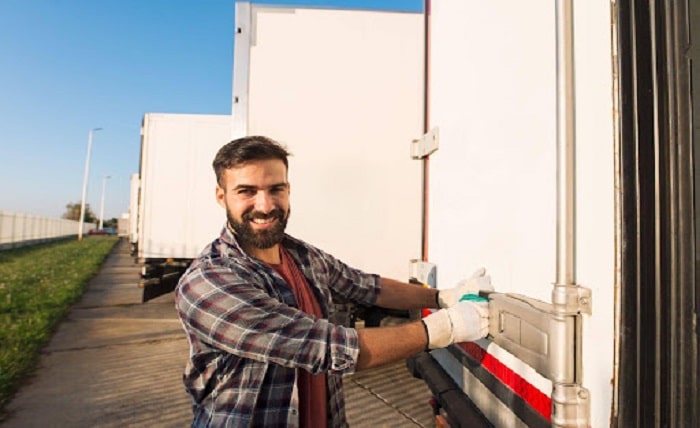
For businesses operating HGVs, vans, trailers and specialist vehicles across different locations, keeping every vehicle clean can become a demanding operational task. Nationwide mobile fleet washing provides a practical approach by bringing professional cleaning teams directly to depots, yards and operating sites. Rather than sending vehicles to a fixed facility, operators can arrange cleaning around vehicle availability, helping maintain presentation while limiting disruption to daily schedules.
What Does Mobile Fleet Washing Involve?
Mobile fleet washing is designed around the needs of commercial vehicle operators. A cleaning team arrives at the agreed site with the equipment needed for the scheduled work. The service can cover exterior washing and, where required, additional cleaning such as interior valets or trailer washouts.
Before a programme begins, operators can provide details about vehicle types, approximate fleet numbers, parking arrangements and preferred cleaning times. This information helps establish a suitable routine. Morning, evening and weekend visits can be arranged where required, making the service adaptable to different operating patterns.
What Vehicles Can Be Cleaned?
Suitable vehicles can include tractor units, trailers, rigid trucks, vans, transporters, refuse collection vehicles, tankers, tippers, bulkers and refrigerated delivery vehicles.
This broad coverage means operators can create a consistent cleaning routine for mixed fleets. Cleaning requirements can be coordinated through one scheduled approach. Cleaning can be agreed according to vehicle type, site conditions and operational needs.
How Is the Cleaning Carried Out?
A professional cleaning process generally begins with preparation. Traffic film remover can be applied to help loosen road dirt and surface build-up before the main wash. The process may then include hand brushing in areas requiring additional attention, followed by high-pressure water cleaning and thorough rinsing.
Attention can be given to practical areas such as windows, lights, cab backs, wheels, wheel arches and visible chassis sections. The aim is to provide a thorough clean suited to working vehicles that regularly encounter road grime, salt, mud and other deposits.
Scheduling Around Daily Operations
One of the main things businesses can expect is flexibility. Commercial vehicles often have demanding schedules, making it difficult to reserve long periods for off-site cleaning. On-site cleaning allows washing to take place where vehicles are already based.
Weekly or fortnightly visits can be arranged, while other agreed frequencies may suit particular operations. Timing can also be organised around vehicle availability. This approach can help businesses build cleaning into their routine rather than treating it as an occasional task that requires additional travel.
Support Across Multiple Sites
Businesses with several depots may have another challenge: maintaining similar cleaning standards at every location. A coordinated mobile programme can support regular visits across different operating sites.
Fleet managers can provide information about each location, including access requirements and vehicle availability. A planned schedule can then help create greater consistency between depots. This can be especially useful for businesses whose vehicles travel between locations or whose fleet presentation needs to remain uniform.
Managing Wastewater Responsibly
Vehicle washing produces wastewater that needs appropriate handling. Some operating sites may have limited drainage or may not have suitable facilities for managing wash water. In these circumstances, wastewater containment can form part of the service arrangement.
Wash water can be captured on site where required and removed for approved disposal. Discussing drainage limitations before work begins allows the cleaning plan to account for site conditions. This can make on-site washing more practical for locations where conventional drainage arrangements are not suitable.
Why Regular Cleaning Matters
Reliable fleet cleaning services can help operators maintain presentation and keep recurring washing organised. Commercial vehicles are highly visible assets. They may spend hours on public roads, visit customer sites and represent a business wherever they travel. A planned cleaning routine can therefore help maintain a professional appearance across the fleet.
Regular washing also removes road film, dirt, salt and surface build-up before deposits become more difficult to manage. For branded vehicles, consistent presentation across multiple units can support a more uniform appearance. Interior cleaning can also help maintain cleaner driver areas, while trailer washouts can help remove residue and debris from suitable cargo spaces between loads.
What Should Businesses Prepare Before the First Visit?
A smooth service begins with clear information. Businesses should be ready to share their site location, vehicle types, approximate numbers, and usual parking arrangements. It is also useful to explain when vehicles are normally available for cleaning.
Access restrictions, drainage limitations and other site-specific requirements should be discussed in advance. If several depots are involved, each location may need separate operational details. Clear communication helps the cleaning team understand the working environment and establish an appropriate schedule.
Choosing a Service That Fits Your Fleet
The service should fit fleet size, operating times, site conditions, and reporting needs.
A suitable arrangement should make recurring cleaning straightforward. Consider whether the provider can accommodate different commercial vehicles, support multiple sites, work at suitable times, and address wastewater requirements when necessary. Clear scheduling and documented completion can also help larger fleet operators.
Setting Expectations for Service Visits
Before a scheduled visit, operators can expect the cleaning arrangement to be based on site and fleet information. The team needs to know where vehicles are parked and when those vehicles can be accessed. Site access can affect the sequence of work, while drainage arrangements may influence wastewater handling. Sharing these details early helps establish realistic timings and reduces interruptions. For recurring programmes, keeping site information up to date can also make future scheduled visits much easier to coordinate as fleet numbers, routes or operating patterns change.
Conclusion
For commercial operators, nationwide mobile fleet washing offers a convenient way to maintain vehicle cleanliness without sending fleets away from their operating sites. Flexible scheduling, broad vehicle coverage, wastewater management and organised reporting can support consistent cleaning across locations. By choosing a service that understands fleet requirements, businesses can maintain professional presentation while keeping cleaning aligned with everyday transport operations.
For businesses seeking dependable commercial cleaning solutions, Mobile Fleetwash provides scheduled on-site vehicle cleaning for HGVs, trucks, vans, trailers, RCVs and specialist commercial vehicles. Services include exterior washing, interior valets, trailer washouts, MOT steam cleaning and wastewater containment. With flexible visits, multi-site support, digital records and nationwide UK coverage, Mobile Fleetwash helps businesses organise reliable, professional vehicle cleaning around depot operations, vehicle availability and practical site requirements.