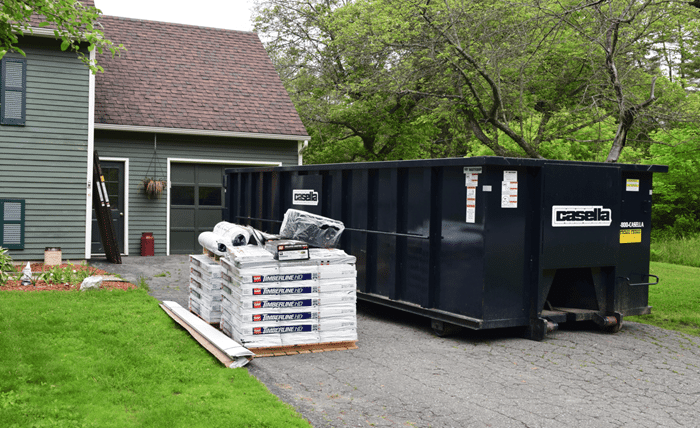
Cleanup projects vary widely in size, duration, and the types of materials they generate. A home renovation may produce drywall and flooring, while a landscaping project may create branches, soil, and old outdoor materials. Businesses, contractors, and property owners also face short-term cleanup needs that do not fit neatly into routine waste collection.
Temporary dumpster rentals can provide flexibility because they give users a dedicated place to collect debris for a limited period. The arrangement can be matched to the project rather than becoming a permanent waste solution.
Useful for Short-Term Projects
Many cleanup projects have a clear beginning and end. Renovations, property cleanouts, roofing work, landscaping projects, and construction phases may produce extra waste for several days or weeks before normal activity resumes.
A temporary container can remain available during that active period and be removed once the work is complete.
This prevents property owners or crews from relying on permanent waste capacity for a temporary increase in debris.
Supports Different Project Sizes
Waste volumes can differ dramatically from one project to another. A small room remodel may generate a moderate amount of debris, while a whole-property renovation can create substantially more.
Temporary arrangements can often be selected based on expected project volume rather than using the same capacity for every job.
Estimating the type and amount of material in advance helps users choose an option that fits the project without creating unnecessary space or capacity problems.
Keeps Debris in One Location
One of the practical advantages of a temporary container is having a defined location for outgoing material. Without a central collection point, debris may accumulate in garages, driveways, yards, rooms, or multiple temporary piles.
Keeping waste consolidated helps preserve working space and makes final removal easier.
A designated location also gives contractors, family members, or maintenance crews a clear understanding of where project debris belongs.
Works Well with Phased Cleanup
Not every project produces all of its waste at once. Remodeling, construction, and landscaping often move through several phases, each creating different debris.
A temporary dumpster can remain available while those stages progress, allowing crews to remove materials gradually rather than storing everything until the end.
This can be particularly useful when demolition is followed by installation, since outgoing materials can continue leaving the active work area as new products arrive.
Reduces Repeated Handling
Moving debris several times adds unnecessary labor. Materials placed in a temporary pile may later need to be transferred into a truck, trailer, or another collection area.
A dedicated container can reduce that repeated handling when debris is placed there directly as it is generated.
For contractors and property owners, fewer material movements can mean less time spent reorganizing waste and more time focused on the actual project.
Can Adapt to Limited Routine Collection
Regular household or commercial trash service is designed primarily for everyday waste. Major projects can produce materials too bulky or too plentiful for ordinary containers.
Temporary Dumpster may be considered when property owners or contractors need short-term capacity beyond their normal collection system.
The most appropriate option still depends on the amount of debris, material type, available placement space, local requirements, and how quickly the project will progress.
Helps Manage Bulky Materials
Renovations and cleanouts often generate objects that do not fit easily into standard trash containers. Old cabinets, flooring, furniture, lumber, fixtures, and other bulky materials can consume routine collection capacity quickly.
A larger dedicated collection area makes it easier to keep these items together until removal.
Users should still understand what materials are accepted, since certain appliances, chemicals, electronics, and other specialty items may require separate handling.
Useful Across Residential Projects
Homeowners may encounter temporary waste needs during kitchen remodels, bathroom renovations, garage cleanouts, flooring replacement, deck removal, or moving preparation.
A dedicated debris area can help keep these projects from spreading through the property.
It may also reduce the need to store discarded materials in areas that are still being used by the household, such as driveways, garages, or side yards.
Supports Contractor Workflows
Contractors often need waste capacity that can change with the construction schedule. Demolition may generate heavy debris quickly, while finish work produces smaller amounts of packaging and material scraps.
Temporary collection can be coordinated around these changing phases.
When debris has a consistent destination, crews can maintain clearer work areas and avoid creating multiple temporary piles that later require additional labor to consolidate.
Can Help with Property Turnovers and Cleanouts
Rental properties, estates, offices, and commercial spaces may occasionally require extensive cleanouts between occupants or before renovation.
Furniture, shelving, damaged materials, packaging, and miscellaneous belongings can create a short-term waste volume much larger than normal.
A temporary waste option gives managers a way to handle that temporary increase without permanently changing the property’s everyday waste system.
Offers Scheduling Flexibility
Some projects finish in a weekend, while others continue for several weeks. The useful period for waste collection should reflect the actual project schedule.
Having temporary capacity available during active work allows users to load debris at a practical pace instead of completing all removal in a single day.
Scheduling should still account for delivery access, pickup timing, local placement requirements, and any limits associated with the rental period.
Placement Can Be Planned Around the Site
A temporary dumpster does not need to become the center of the property. Placement can be chosen based on access, work zones, traffic, and available space.
Driveways are common locations, but commercial properties and construction sites may have other suitable staging areas.
The best location should allow practical loading while avoiding entrances, emergency routes, utilities, drainage areas, and spaces needed for equipment or deliveries.
Different Materials Require Different Planning
Flexibility does not mean every type of waste should automatically be placed together. Concrete, soil, roofing materials, household debris, landscaping waste, and renovation materials can differ greatly in weight and disposal requirements.
Dense materials may reach load limits before the container appears full. Restricted items may need separate disposal entirely.
Understanding the expected waste stream before the project begins helps prevent problems later.
Temporary dumpster rentals are flexible because they can be matched to short-term projects, changing debris volumes, and different work schedules. They provide a centralized location for waste while reducing dependence on everyday household or commercial collection.
For homeowners, contractors, property managers, and businesses, that flexibility can make cleanup easier to organize. When capacity, placement, materials, and timing are planned carefully, temporary collection can support projects ranging from small cleanouts to larger renovation and construction work.